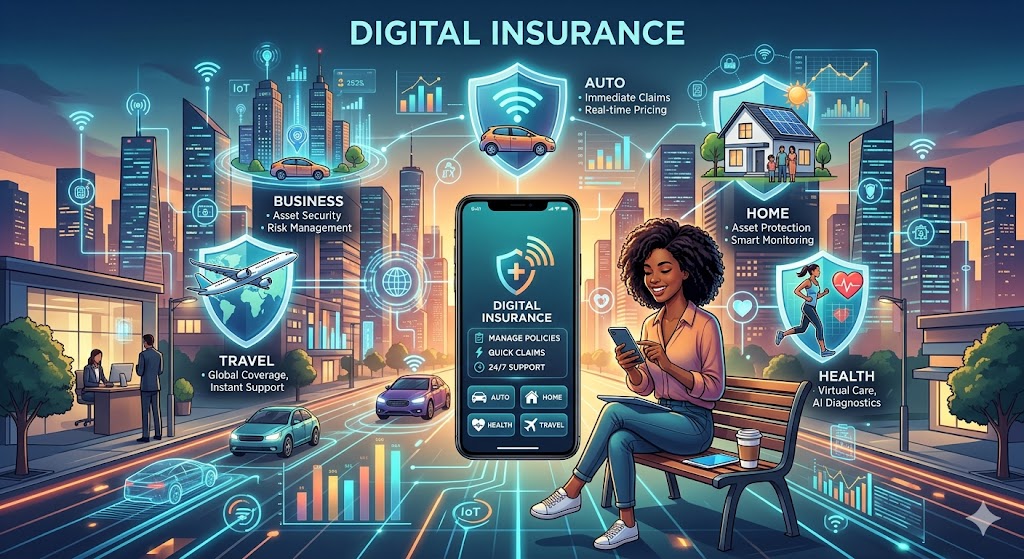
Mobile Insurance Apps in the U.S. Market
Mobile technology has transformed many industries, and the insurance sector in the United States is no exception. Mobile insurance apps have become an important part of modern insurance services, allowing customers to manage policies, file claims, and communicate with insurance providers directly from their smartphones. As digital technology continues to advance, mobile apps are playing a key role in reshaping the insurance experience in the U.S. market.
Growth of Mobile Insurance Apps
The use of mobile insurance applications has grown rapidly in recent years. With high smartphone adoption across the United States, more customers prefer managing their insurance digitally rather than visiting offices or calling customer service centers.
Insurance companies have recognized this shift and invested heavily in developing mobile-friendly platforms. Today, many insurers offer advanced mobile apps that provide a wide range of services, making insurance more accessible and convenient for users.
Key Features of Insurance Mobile Apps
Modern mobile insurance apps include several useful features designed to simplify insurance management.
Digital Policy Management
Customers can view policy details, update personal information, download digital insurance cards, and renew coverage directly from the app.
Quick Claims Processing
Many apps allow users to file claims instantly by uploading photos or videos of damages. This feature speeds up the claims process and reduces paperwork.
Premium Payments
Mobile apps enable users to pay insurance premiums securely, schedule automatic payments, and receive reminders for upcoming bills.
Customer Support and Chatbots
Some insurance apps include AI-powered chatbots that answer common questions and guide users through policy options or claims procedures.
Usage-Based Insurance Tools
Certain apps track driving behavior or other risk factors to offer personalized insurance pricing based on real-world data.
Benefits for Customers
Mobile insurance apps provide several advantages for policyholders. One of the most important benefits is convenience. Customers can access their insurance information anytime and anywhere without needing to visit a branch office.
Another benefit is faster service. Claims can often be submitted and processed more quickly through mobile platforms compared to traditional methods. Real-time updates also allow customers to track the status of their claims.
Additionally, mobile apps offer greater transparency by allowing users to view policy details, payment history, and coverage limits directly within the application.
Benefits for Insurance Companies
Insurance companies also benefit from mobile app adoption. Digital platforms reduce administrative costs by automating many processes such as policy management and claims handling.
Mobile apps also improve customer engagement by providing regular updates, reminders, and personalized recommendations. By analyzing user data, insurers can better understand customer needs and develop more tailored insurance products.
Challenges in Mobile Insurance Technology
Despite their advantages, mobile insurance apps also present certain challenges. Cybersecurity is one of the most important concerns because insurance apps store sensitive personal and financial information.
Insurance companies must invest in strong security systems, data encryption, and multi-factor authentication to protect customer data. Another challenge is ensuring that mobile apps remain easy to use for customers of all age groups and technological backgrounds.
The Future of Mobile Insurance Apps
The future of mobile insurance apps in the U.S. looks promising as new technologies continue to emerge. Artificial intelligence, machine learning, and Internet of Things (IoT) devices are expected to enhance mobile insurance services even further.
For example, smart home devices may help detect risks such as fire or water leaks, while AI-powered tools may automatically evaluate damages and approve claims more quickly. These innovations will make insurance services more proactive, efficient, and personalized.
Conclusion
Mobile insurance apps are transforming the insurance industry in the United States by providing faster, more convenient, and more transparent services. With features such as digital policy management, instant claims processing, and personalized coverage options, mobile apps are becoming an essential tool for both insurers and policyholders.
As technology continues to evolve, mobile insurance platforms will play an even greater role in shaping the future of the insurance industry in the U.S., offering smarter and more efficient solutions for managing financial protection. 📱📊