Space Technology trends 2026
The space economy is expanding more quickly than before, and 2026 is expected to provide ground-breaking discoveries that will transform how we travel, work, and live in space. This guide is intended for anyone interested in the newest space technology developments influencing our future, including investors, tech workers, and space enthusiasts.
Three significant changes will characterize space technology trends in 2026. Innovative propulsion systems are opening up new solar system locations and reducing journey times. Spacecraft operations are being taken over by advanced AI, making missions safer and more effective than human pilots could possibly be. Additionally, the expensive need to launch everything from Earth is being eliminated by using next-generation manufacturing processes to manufacture space infrastructure directly in orbit.
In the upcoming years, we will examine these technologies’ operation, significance, and implications for space exploration.
Revolutionary Propulsion Systems Transforming Space Travel
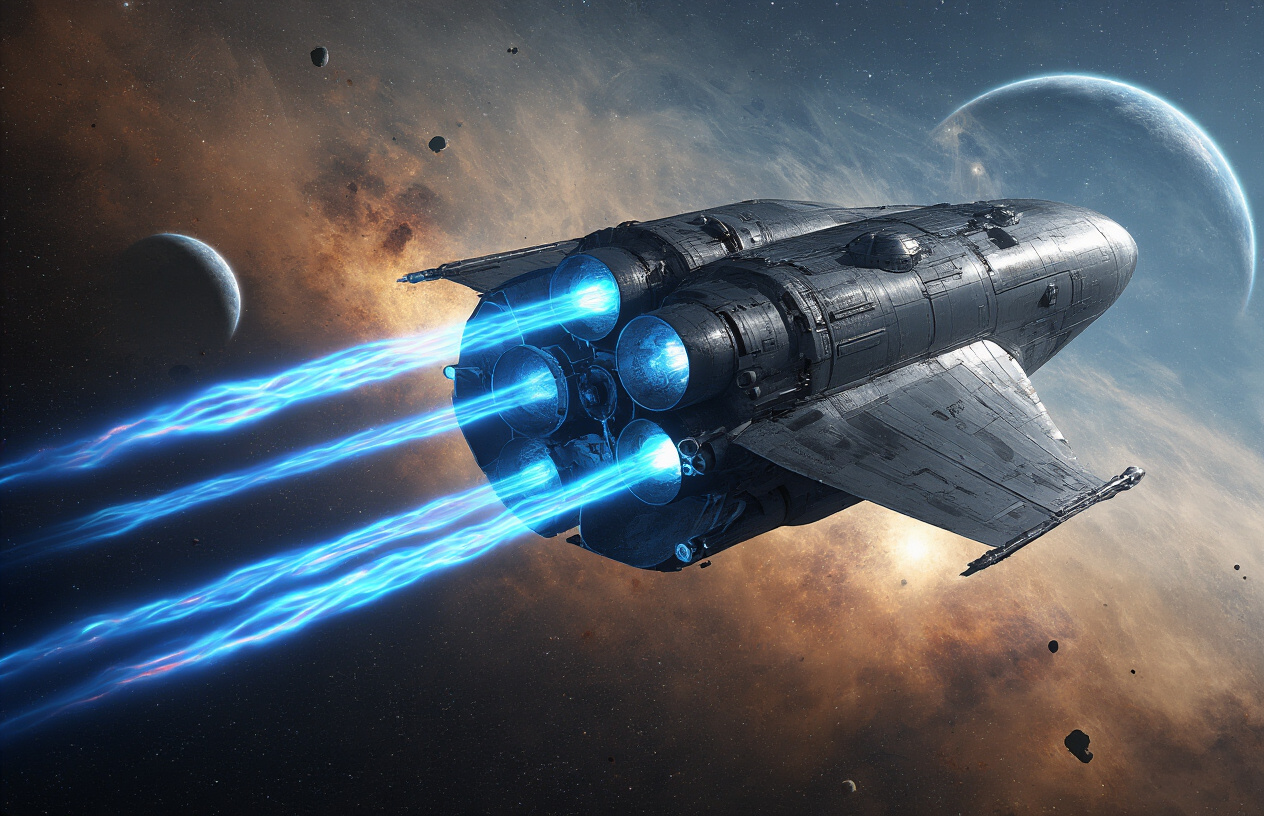
Nuclear-Powered Spacecraft Enabling Faster Deep Space Missions
Nuclear propulsion is a big improvement for exploring deep space, giving more power and better fuel use for missions that go far beyond Mars. The Nuclear Thermal Propulsion (NTP) systems being built today can produce twice the efficiency of regular chemical rockets, which means traveling to Mars could take just three or four months instead of nine.
NASA is working closely with private companies to speed up the creation of nuclear rockets.The Demonstration Rocket for Agile Cislunar Operations (DRACO) program is at the forefront of this effort. These systems work by using a nuclear reactor to heat fuel to very high temperatures, creating strong and steady thrust throughout the mission.
Nuclear Electric Propulsion (NEP) works differently.
It uses a nuclear reactor to make electricity that powers ion thrusters. NEP doesn’t create as much thrust as NTP, but it is very fuel efficient, making it great for carrying heavy cargo on long trips. This technology is especially useful for moving large supplies to build bases on the Moon or Mars.
Safety has improved a lot, with modern reactors designed to be safe from the start.
The reactors stay off during launch and only turn on once the spacecraft is far enough from Earth to be safe.
Electric Propulsion Advances Reducing Mission Costs
Electric propulsion technology has advanced quickly, becoming the go-to option for satellite companies and deep space missions that want to save money. Today‘s ion thrusters and Hall effect thrusters use way less fuel than traditional chemical systems, which lets spacecraft carry more cargo or last much longer in space.
The newest electric propulsion systems can produce specific impulses over 3,000 seconds, compared to about 450 seconds for chemical rockets.
This means missions can use smaller rockets and less fuel, which cuts down on costs. Many commercial satellite companies now use electric propulsion for moving satellites into geostationary orbit, reducing launch costs by 30 to 40 percent.
New developments in power processing and magnetic plasma control have helped increase thrust while keeping fuel use low.
Companies like SpaceX and Boeing now include electric propulsion in their satellite systems, making the technology available for many different types of space missions.
Grid-fed ion engines are at the top of the technology, using electric fields to push xenon ions at speeds up to 90,000 miles per hour.
These engines can run nonstop for years, slowly building up speed that chemical rockets can’t achieve over long missions.
Solar Sail Technology Maximizing Fuel Efficiency
Solar sails open the door to completely sustainable space travel by using the radiation pressure from sunlight to power spacecraft without using fuel. Ultra-thin reflecting membranes are used in the technique to capture photons from the Sun and transform light pressure into forward velocity.
Japan’s IKAROS mission successfully used solar sail propulsion to reach Venus, demonstrating the concept’s viability in deep space. Building on this achievement, next-generation solar sails use cutting-edge materials like carbon nanotubes and graphene to create stronger, lighter sail structures that absorb more solar radiation.
Attitude control systems and customizable sail configurations are features of contemporary solar sail designs that enable accurate navigation and route corrections. The technology is scalable for different spacecraft sizes, as evidenced by the Planetary Society’s LightSail missions, which showed how tiny CubeSats may use solar sails for orbital maneuvering.
Solar sails and electric propulsion are combined in hybrid systems, which use solar panels built into the sail structure to power ion thrusters when more thrust is required. Fuel efficiency and operating flexibility are maximized by this combination, which is especially useful for missions to the outer solar system where solar energy becomes scarce.
For interstellar probe missions, where solar sails might propel spacecraft to notable fractions of light speed over lengthy periods of time, the technology exhibits remarkable promise.
Advanced Manufacturing Technologies Reshaping Space Infrastructure
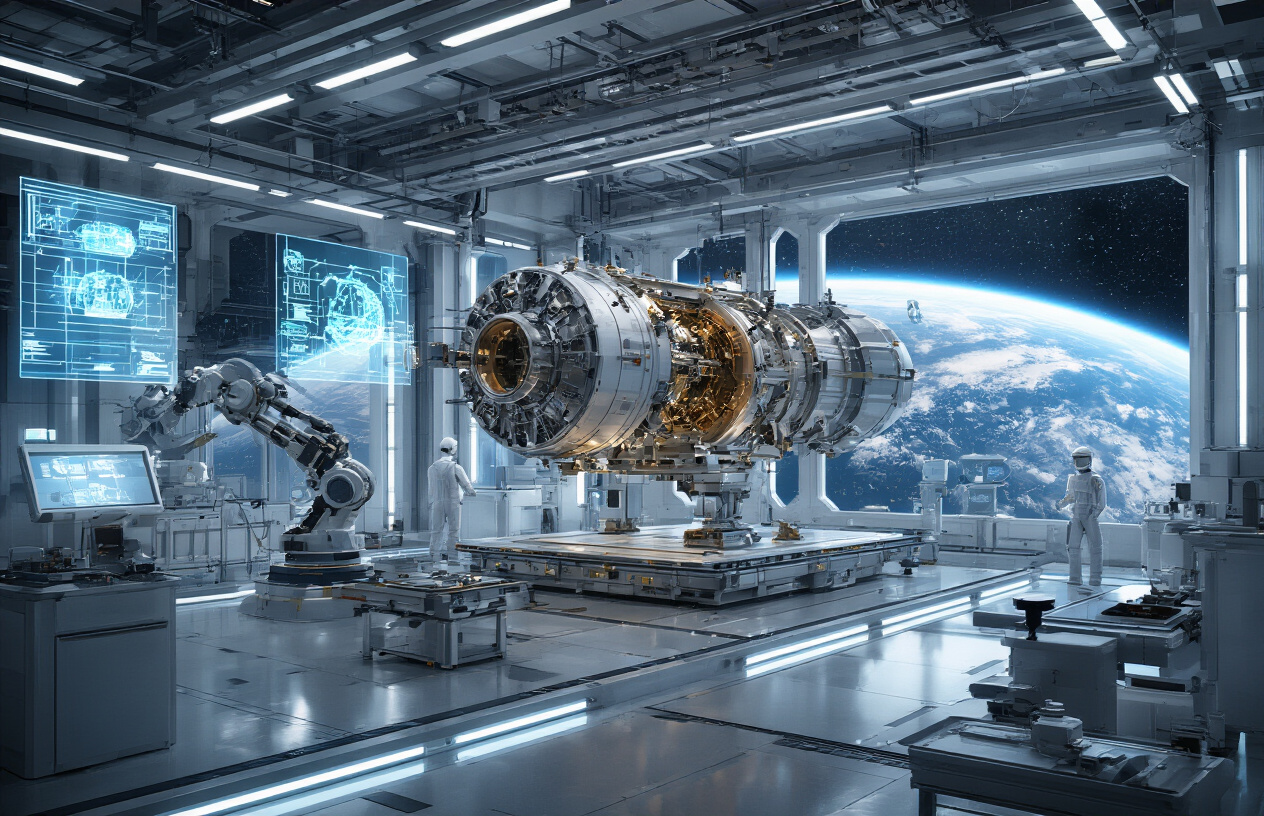
3D Printing Solutions for In-Space Construction
Space–based 3D printing is changing the way we build and grow structures outside of Earth. NASA has tested printing metal parts on the International Space Station, showing that making complex items in zero gravity is not just possible, but really exciting. Without gravity, some printing methods work better, making it easier to build things that can’t be made on Earth.
The European Space Agency is working on big 3D printers that can build whole homes using moon dust.
These machines can make multi–level buildings with special tubes for air, protection from radiation, and rooms that can hold pressure. Companies like Made In Space have already printed tools and parts in space, cutting down on the need to bring everything from Earth.
New advancements include printers that can use different materials at the same time.
These can create structures with built-in wires, cooling systems, and parts that can fix themselves. Now, these printers can work with strong metals, special ceramics, and even materials safe for the body.
The savings are huge.
Sending construction materials to low Earth orbit costs about $20,000 per kilogram. Making things in space avoids that cost and allows building much bigger structures than what rockets can carry.
Robotic Assembly Systems Building Orbital Platforms
Autonomous robots are becoming a big part of building things in space. These smart machines keep working without stopping in the tough environment of space, putting together huge structures with a level of accuracy that humans can’t match. The Gateway lunar space station is a great example, where robots connect big modules that weigh a lot while keeping everything perfectly aligned.
Modern robotic arms have special features like touch feedback and smart decision–making powered by AI, which helps them handle surprises during construction.
These robots can also work in groups, doing complicated tasks on several parts at once. The latest robots even have the ability to fix themselves using 3D printers on board to make replacement parts when needed.
Robots in orbit are now handling bigger and more complex projects, like building solar panels that stretch several kilometers wide or creating space telescopes with big mirror pieces put together in space.
The James Webb Space Telescope’s successful launch showed that complex and precise robot–building is possible, and it’s opening the door for even bigger and better projects.
New machine learning tools help these systems plan the best way to build things, making the whole process faster by up to 40% compared to old, fixed plans.
These robots can also solve problems as they happen, which means construction can keep going even when things don’t go as expected, greatly improving the chances of a mission being successful.
Artificial Intelligence Driving Autonomous Space Operations
Machine Learning Optimizing Mission Planning
Mission planning for space missions has changed a lot, with machine learning playing a major role. These smart systems look at a huge amount of information, like how satellites move, weather, what equipment can do, and what resources are available. They use this data to figure out the best paths and schedules for missions.
These models can handle thousands of details at once, finding connections and trends that people might not notice.
They are really good at solving tough scheduling issues, making sure things like fuel use, time limits, and science goals all fit together.
These systems also get better over time by learning from past missions.
Each time they plan a mission, they improve their suggestions, leading to more accurate plans, lower costs, and more successful missions.
Another big improvement is the ability to make quick changes on the fly.
If something unexpected happens, the machine learning system can quickly figure out new paths and procedures. It gives mission managers several options in seconds instead of waiting hours.
AI-Powered Navigation Systems Enhancing Safety
Autonomous navigation systems using artificial intelligence have become a big help for keeping spacecraft safe and accurate. These systems use computer vision, combining data from various sensors and using smart algorithms to move through difficult space environments without needing a person to control them.
AI–powered navigation is really good at finding and avoiding dangers.
It looks at images and sensor information to spot things like space junk, asteroids, or other spacecraft right away. The system can quickly figure out how to change course and make maneuvers to avoid these dangers, faster than anyone on the ground could react because of the delay in communication.
Landing on other planets has also improved a lot because of AI navigation.
Spacecraft can now land very precisely by looking at the ground, checking wind and surface details in real–time. This technology allows landings in spots that were once too tough to reach, which creates new chances for exploring and finding resources.
Traveling between planets brings special challenges, and AI systems are great at handling them.
They can adjust the flight path based on things like gravity changes, solar wind, and other space conditions.
Deep Learning Algorithms Processing Space Data
The huge amount of data collected from space missions has created new challenges in analyzing it, and deep learning algorithms are very good at solving these problems. Today‘s space missions produce massive amounts of data each day, way more than humans can handle on their own.
Deep learning is great at finding patterns in complicated data.
These algorithms can spot things like landforms, weather changes, and stars in images with accuracy that often beats human experts. This helps find new scientific discoveries and important targets automatically.
Deep learning also helps a lot with tracking Earth’s climate.
It uses satellite images to monitor things like forest loss, changes in ice cover, and how weather patterns change over time. This gives up-to-date information about the environment around the world.
In astronomy, deep learning is used to find new planets, sort different types of galaxies, and even detect signals from gravitational waves.
These systems can go through years of stored data in just a day, finding patterns and events that would be impossible to find by hand.
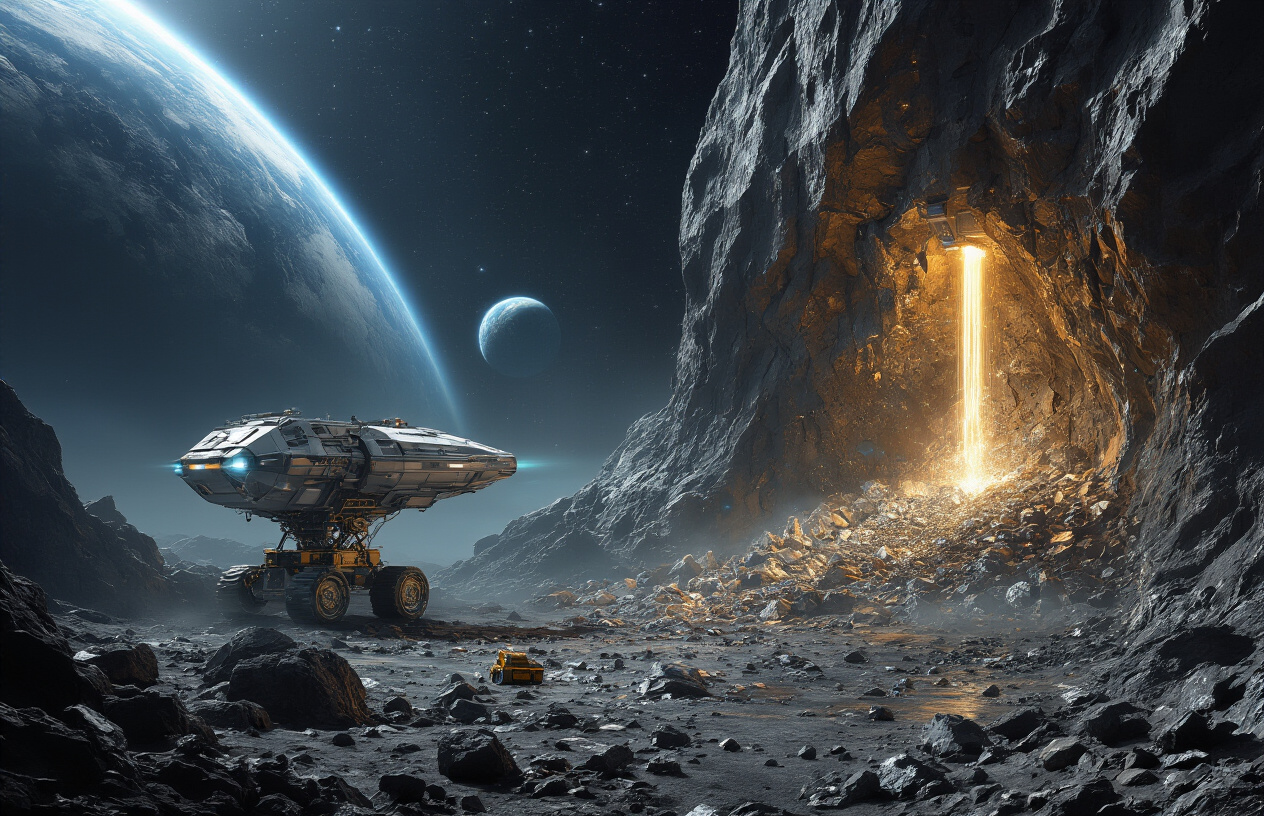
Space Mining Technologies Unlocking Asteroid Resources
Human Space Habitation Innovations Supporting Long-Term Missions
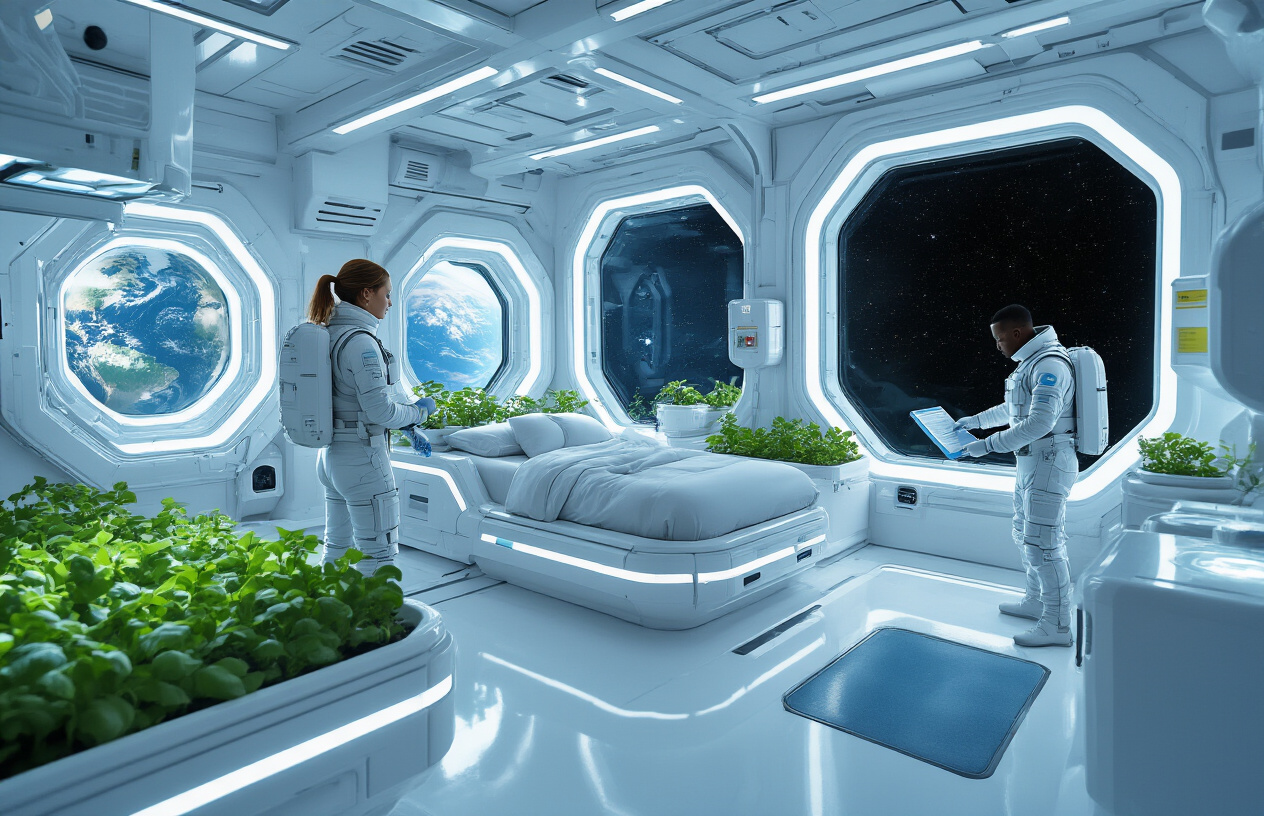
Closed-Loop Life Support Systems Ensuring Sustainability
Living in space for a long time, like months or even years, requires a completely different way of thinking about staying alive. Right now, spaceships carry all the essentials astronauts need—like water, air, and food—but that way of doing things won’t work for trips to Mars or staying on the Moon for a long time. The future of space living is about systems that recycle almost everything to make sure there’s always enough to go around.
NASA’s Environmental Control and Life Support System (ECLSS) already recovers about 93% of the water used on the International Space Station.
By 2026, they plan to improve that to over 98%. These new systems don’t just clean water—they break it into hydrogen and oxygen and then put it back together when needed. The latest technology uses plasma to recover water, which means they don’t have to use up filters over time.
Air systems are also becoming smarter.
Instead of just removing carbon dioxide with simple scrubbers, new systems use specially modified algae and bacteria that not only clean the air but also make oxygen and grow food. Companies like Paragon Space Development are testing systems that mix mechanical and biological processes, which means if one part fails, another can take over, keeping astronauts safe.
Growing food is the last big step toward a sustainable space environment.
Special modules designed for microgravity can grow fresh vegetables using lights that are set to specific colors. These systems recycle plant waste into fertilizer and work together with waste processing systems to form a full, self–sustaining environment.
Radiation Shielding Technologies Protecting Astronauts
Space radiation is the main hidden danger for humans traveling beyond Earth’s magnetic shield. It’s not like the dramatic sickness you see in movies. Instead, it increases the risk of cancer and can affect brain function over time.
Old ways of protection use heavy materials like aluminum or plastic.
These add a lot of weight and cost to space missions. But new materials are changing things. Scientists are making lighter composites that mix hydrogen–rich plastics with boron fibers, which are more effective than thick metal walls.
New shielding systems use magnetic fields.
They create a protective bubble around the spacecraft, similar to Earth’s magnetic field. Companies like Boeing are testing superconducting coils that do this. These systems need a lot of power, but they are lighter than traditional shielding for the same level of protection.
Radiation monitoring is getting smarter.
New wearable devices give real–time data on exposure levels and can start safety measures automatically. Some smart suits have built-in shielding that turns on during solar storms, keeping astronauts safe while allowing them to move freely.
Building underground habitats on Mars and the Moon uses natural protection from rock and ice.
Robots are being developed to dig out safe spaces without bringing shielding materials from Earth.
Psychological Support Systems Maintaining Mental Health
Mental health issues in space are more serious than just feeling bored or lonely. Picture yourself stuck with the same group of people for two years, while Earth looks like a small blue dot far away. Regular mental health support usually involves talking to therapists on the ground, but on a trip to Mars, there will be a 20-minute delay in communication. This makes it impossible to have real–time talks.
Virtual reality is changing how astronauts get mental health help.
These are not just fun games—they are advanced therapy tools that can show realistic environments like forests, beaches, or even childhood homes. The European Space Agency is creating special VR programs to help astronauts deal with loneliness and the stress of being confined.
AI companions are a big step forward in offering support that is tailored to each person.
These systems learn about an astronaut’s personality, stress levels, and how they handle stress over time. Unlike simple chatbots, they can spot early signs of depression or anxiety by watching how someone speaks, how much they sleep, and how they act. They can offer help right away when it’s not possible to talk to a human.
Technology that connects astronauts with family and friends on Earth is also improving.
These systems automatically fix time delays and use the best available internet to make sure messages get through, even if there are technical problems. New holographic communication pods are being developed so astronauts can have more natural and realistic conversations compared to regular video calls.
Psychological health is also being tracked using smart sensors placed around living areas.
These sensors quietly monitor things like sleep quality and how people interact with each other. This gives mission leaders early warnings about possible mental health issues before they get too bad.
Conclusion
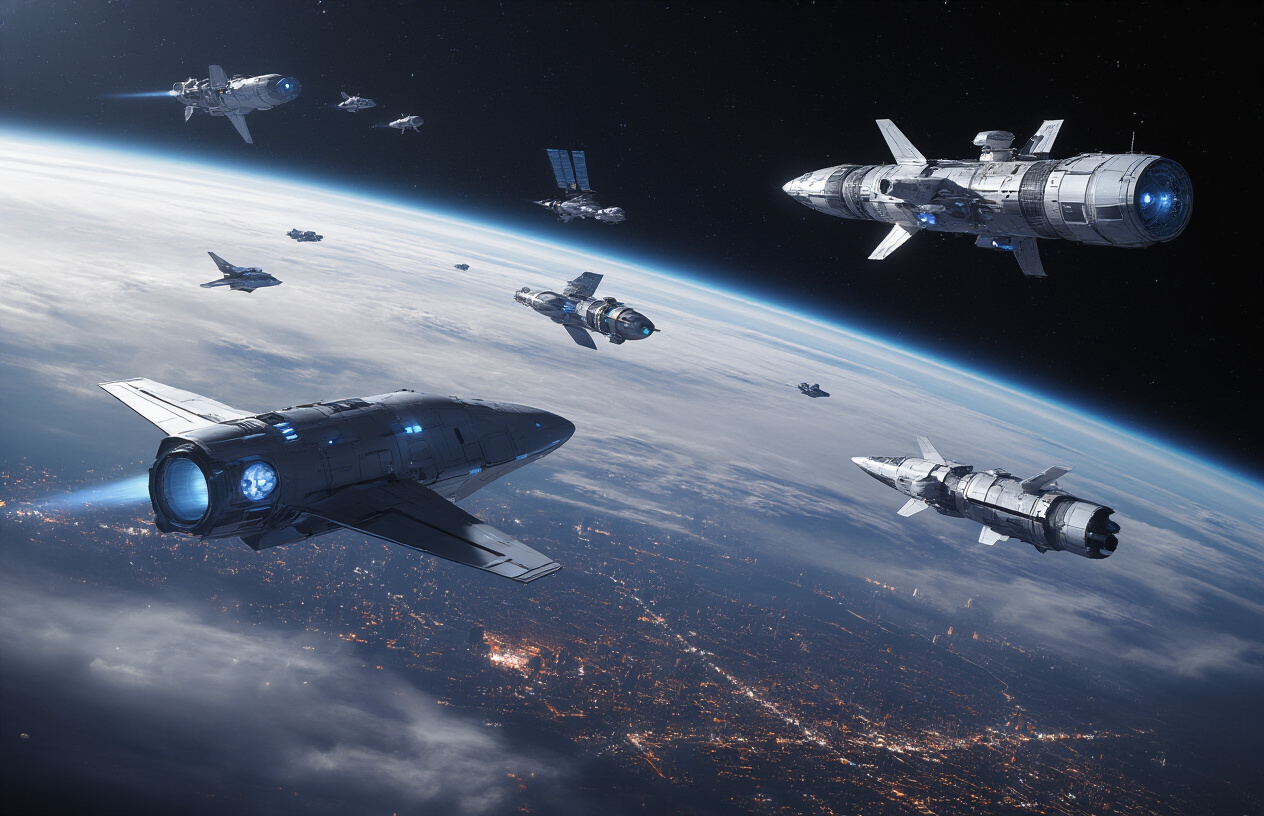
The space industry is moving fast toward a future that felt like science fiction not too long ago. New ways to power spacecraft could make space travel much quicker, and building things in space is becoming a real possibility. The year 2026 might be a big moment for these changes. Artificial intelligence is helping space missions run more safely and efficiently, and huge groups of satellites are providing fast internet access all over the world.
What’s really changing is space mining and living in space for a long time.
Companies are already working on tools to take resources from asteroids, and new kinds of habitats are being built to let humans stay and work in space for longer periods. These ideas aren’t just ideas anymore—they’re being planned and funded with real goals and timelines. Stay tuned, because these developments could change not just how we explore space, but also how we live on Earth.