Elon Musk’s Expected Fintech Innovations for 2026
Elon Musk is making big changes in the fintech world once more, and 2026 seems like the year his financial ideas really start to take shape. If you’re someone who likes technology, invests in companies, or runs a business and wants to know what’s next in digital money, you should keep an eye on these new things happening.
Musk has a proven history of success – from the early days of PayPal to the payment features in Tesla.
Now he’s aiming to change the way we deal with money through some really exciting projects.
We’ll go through his plan to turn X into a complete digital banking system that could take the place of your usual bank account. You’ll also learn about the advanced payment technologies he’s working on, which aim to make money transfers quicker and more affordable than ever. Lastly, we’ll look at how his work with cryptocurrencies might change the way we think about digital money and what this could mean for regular people and companies.
These aren’t just wild ideas – Musk’s companies are already working on the tools and systems needed to make these innovations happen in 2026.
Digital Banking Revolution Through X Platform Integration
Seamless peer-to-peer money transfers within social media
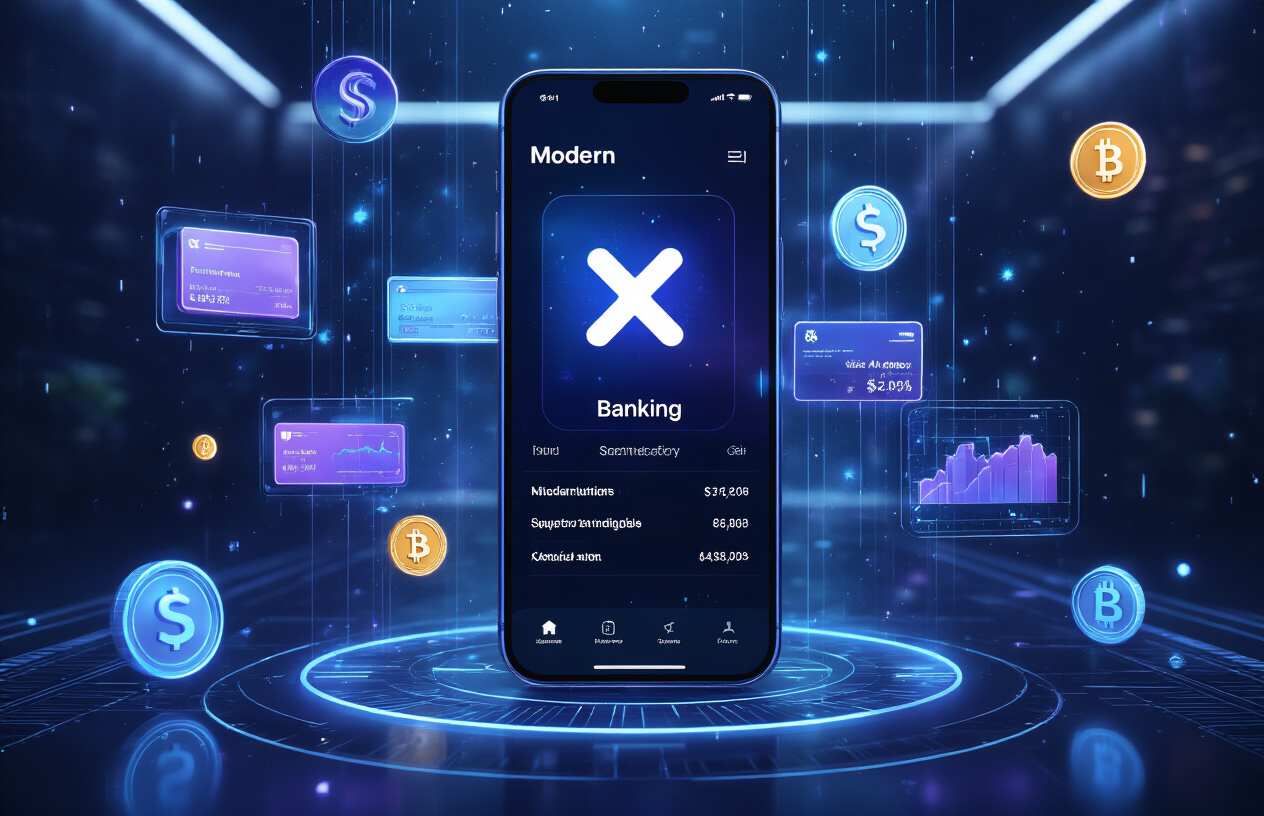
Imagine you’re on X, scrolling through your feed, and you see a post from a friend about their new business. You want to send them $50 as a gift to celebrate. Instead of switching to another app or asking for their Venmo details, you just tap a money icon right next to the retweet button. That’s the kind of smooth, easy experience that Musk seems to be working towards.
The integration does more than just let people send money. Users can split dinner costs right from group chats, give tips to content creators without leaving the app, or do small business transactions through direct messages. Early reports say the system will work with both regular money and digital currencies, making a single financial system inside the social media platform.
What’s really interesting is how this could change social commerce.
Instead of sending people away from X to make a purchase, businesses can handle all transactions right on the platform. This makes a closed system where social interactions directly lead to financial actions.
Cryptocurrency wallet functionality for everyday transactions
Musk’s excitement about cryptocurrency isn’t just about Dogecoin jokes anymore. The X platform seems ready to become a full digital wallet that makes using crypto as simple as using regular payment methods. Users won’t have to learn about blockchain or worry about private keys — the complicated parts are kept behind an easy-to-use, familiar design.
The wallet does more than just hold and send crypto.
Early signs show it might work with big stores, letting people pay for things like coffee or groceries with their digital money. The system automatically handles converting currencies, so using Bitcoin feels just like using a credit card.
Most importantly, this could finally bring crypto closer to everyday people.
By putting wallet features into a platform people already use every day, Musk takes away the scary parts that stop many from trying digital currencies.
Advanced Payment Processing Technologies
Musk’s payment systems will probably use smart computer systems, called neural networks, that look at millions of transactions as they happen. These systems use AI to do more than just follow set rules to stop fraud. They learn from how people use their accounts, how much they spend, and where they are. This helps them make smarter, changing risk checks that get better over time.
These networks will look at a lot of different information like past purchases, the devices people use, where they are located, and even what other people are doing online.
With this data, they can build better tools to spot fake activity. The AI can spot strange behavior almost instantly and stop possible fraud without stopping real, safe purchases. This way, it stops real fraud without annoying customers with too many false alarms.
Biometric Authentication for Enhanced Security
Biometric authentication will play a key role in Musk’s payment system, going beyond just using a fingerprint. It will use a combination of different biometric methods to verify someone’s identity. Voice recognition will look at how someone speaks and their voice features. Facial recognition will check if the person is real and not a fake image or video. These methods will work together to provide strong security that’s also easy to use.
The system may also include palm vein scanning, which looks at the unique pattern of veins under the skin.
This is hard to copy. Additionally, behavioral biometrics will track how users use their devices, like how they type or swipe, and even how they hold their phone. This ongoing check means security isn’t based on just one check, but on several different signs of who the user really is.
Quantum-Resistant Encryption Protocols
Musk’s payment systems are getting ready for the future of quantum computing by using new encryption methods that can stay secure even if quantum computers are powerful enough to break traditional security. These new methods rely on math problems that are really hard for quantum computers to solve, so they can keep financial data and transactions safe for a long time.
The new security systems will include lattice–based cryptography, hash–based signatures, and multivariate cryptography.
These technologies will help protect both current and old financial data that needs to stay safe for many years. The change will happen slowly, with systems using both old and new encryption at the same time. This way, everything keeps working properly while the system becomes stronger against future threats from quantum computing.
Cryptocurrency and Digital Asset Innovation
Musk’s plan for Dogecoin goes much further than its funny beginnings, aiming to make it a real tool for everyday payments. By 2026, Dogecoin will have new smart contract features that let people set up automatic payments, recurring subscriptions, and secure temporary holding of funds. This will work together with X’s payment system, letting users support creators, buy special features, and send money directly to others quickly and easily.
The upgrades also include faster payments using layer-2 technology and lower energy use through a proof-of-stake system.
Businesses will get faster payment confirmations and tools that change prices in real time based on market conditions. Dogecoin will also work well with Tesla products, SpaceX items, and other stores outside of those companies.
Mars-themed cryptocurrency for future space economy
SpaceX wants to colonize Mars and needs its own digital money system that isn’t tied to Earth’s financial systems. This money, called the Mars Token, will be used for buying and selling things, sharing resources, and making decisions in future Martian communities. The token has special ways to reward people who help with space exploration, like gathering data, building homes, and doing research.
The system uses rules based on how planets move in space to make sure transactions happen when communication between Earth and Mars is possible.
People on Earth can use the token to support SpaceX missions and get a better chance to join Mars programs. This money will also help trade between Earth and Mars, covering things like sending technology and exporting materials.
Small Business and Enterprise Financial Solutions

Traditional banks often refuse to lend money to small business owners who don’t have long credit histories or big assets to offer as security. Musk’s new fintech platform might change this by using artificial intelligence to assess creditworthiness in a different way. The AI would look at various types of data, like social media activity, how people behave online, and even how much energy Tesla solar systems and Powerwall batteries are being
This method would help minority–owned businesses and new companies in developing areas that have had trouble getting loans before.
Instead of just looking at FICO scores, the AI would check real–time money flow, how a business interacts with its suppliers, and even customer opinions from online reviews. For example, a small factory that uses Tesla electric chargers could have its payment history tracked automatically, building a full financial picture that banks usually don’t see.
The scoring system would also take into account how environmentally friendly a business is, giving better loan deals to companies that show they care about sustainability.
A local restaurant that installs Tesla solar panels might get better loan terms, and a delivery company switching to electric vehicles could get working capital more quickly. This encourages businesses to act sustainably while making it easier for them to get financial support.
Supply chain financing for sustainable technology companies
Musk’s new fintech platform could change the way green tech companies get working capital by setting up a special network for financing. Companies that make solar parts, batteries, or electric vehicle components would get flexible credit lines based on their orders and their sustainability ratings. The system would check purchase orders from big buyers like Tesla and others, giving companies quick cash based on real contracts.
Smaller companies in Tesla’s network would especially get help from this.
For example, a company making battery cells with a confirmed order from Tesla could get 80% of the contract value right away, instead of waiting for months to be paid. The platform would look at the whole supply chain, from those who get raw materials to those who make the final product, making everything more open and clear than traditional banks usually do.
International companies would also benefit from easier cross–border payments because the platform works globally.
A lithium mine in South America could get money based on a contract with a battery maker in North America, and the loan terms would automatically handle currency differences. This helps overcome problems that stop green tech from growing in places that are just starting out.
The platform would also create a space where eco–friendly companies can offer financing to their suppliers.
This would help build stronger partnerships and improve how money flows through the whole group of businesses.
Investment Platform Disruption
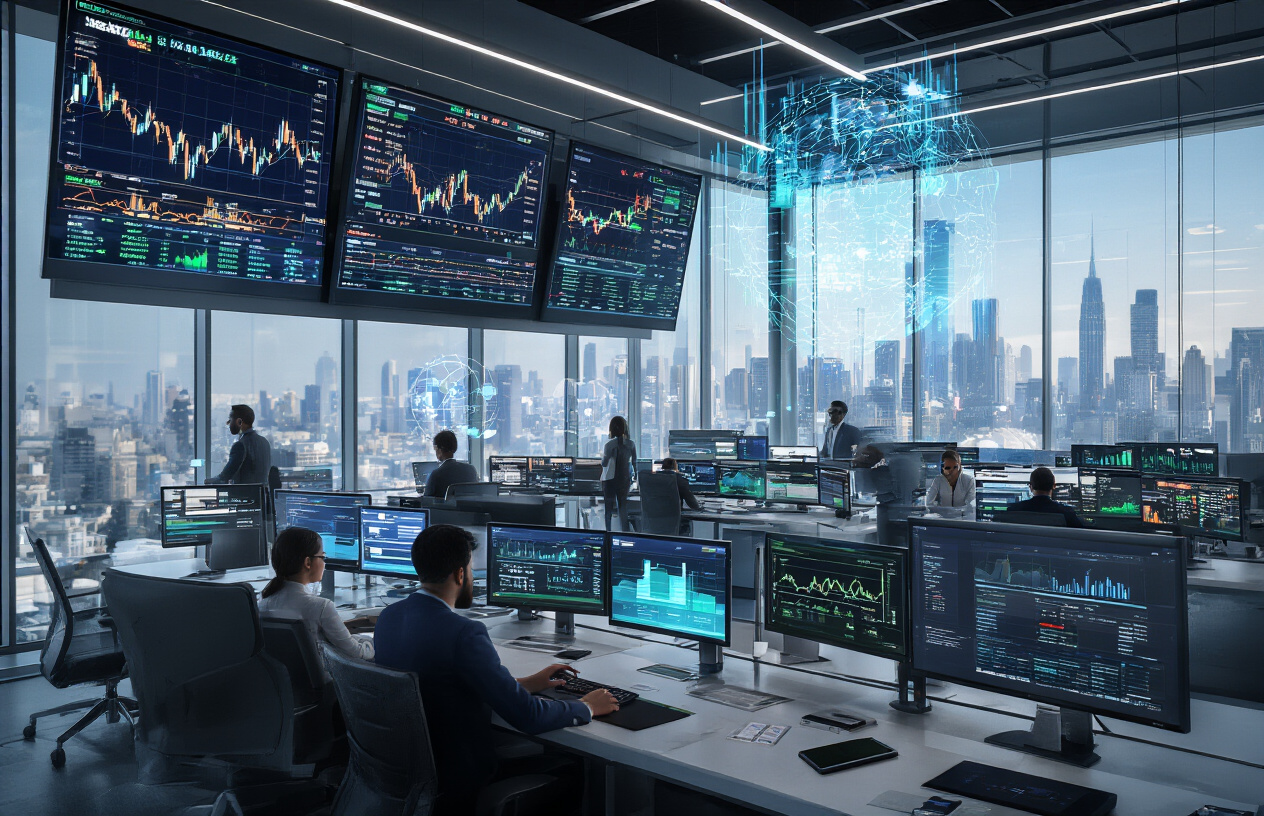
Musk’s idea for investment platforms is to get rid of usual trading fees and build a trading experience that’s driven by the community. The system would work well with X‘s social tools, letting users share their investment thoughts, show off their portfolio results publicly, and follow the strategies of successful traders. Imagine mixing Robinhood’s no-fee model with Discord’s group features, but with the big user group of Twitter behind it.
The platform would have live chat threads for each stock, where trusted investors can talk about their insights and guess what will happen in the market.
Users could form investment groups with friends or others who think alike, sharing trades and strategies in private. There would also be rewards for people who do well, like giving them special marks and more attention, making investing feel more fun and social.
Real-time market analysis powered by Twitter sentiment data
X‘s collection of real–time conversations gives you powerful insights into the market. The platform looks at millions of tweets, news articles, and social media posts to understand what people are saying about certain stocks, industries, and market trends. This is more than just checking for keywords — smart AI helps understand the meaning behind the words, recognizes when people are being sarcastic, and gives more weight to opinions from influencers compared to everyday users.
The system creates scores for each stock based on public sentiment, showing how social talk connects to stock prices.
Users get alerts when sentiment changes a lot, which might mean it’s a good time to buy or sell. Picture getting a notification when negative talk about Tesla starts spreading on Twitter, which has happened before stock prices drop, or when positive conversations about AI start growing, often before tech stocks rise.
Conclusion

Elon Musk’s plan for fintech in 2026 shows a major change in how we handle money. He wants to turn X into a full digital bank and introduce new payment systems. His ideas for cryptocurrency and better business tools could change the way we manage money, make investments, and run companies.
The biggest change will come from how these new technologies work together as one system.
If Musk can make social media, banking, investing, and business tools all connect smoothly, traditional banks and financial companies might struggle. Watch for these changes—they could affect your money life in a big way soon.